


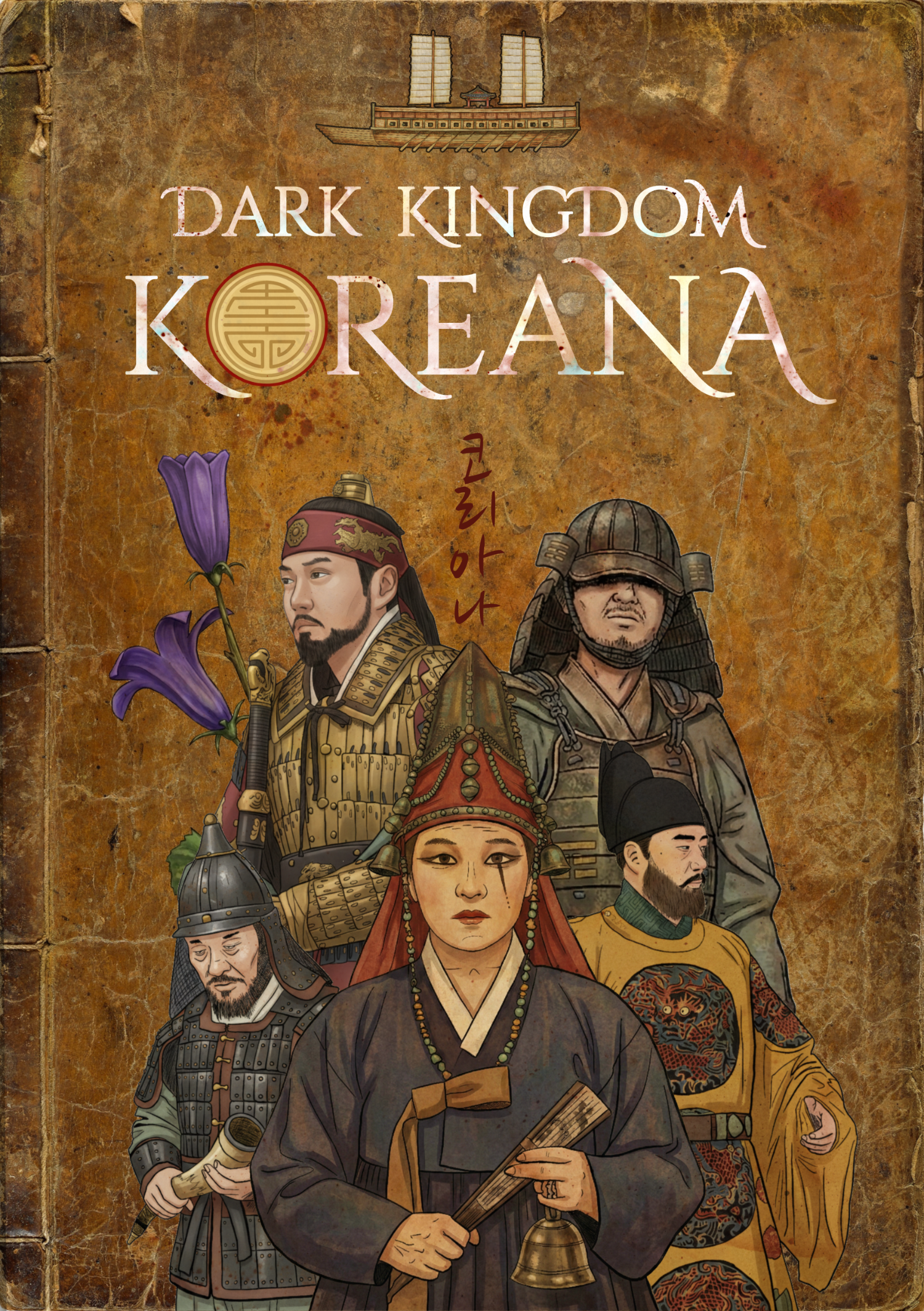
Dark Kingdom: Koreana
Product: standalone tabletop RPG
Format: digital files (PDF)
Number of pages: 300 + peripherals
System: Dark Kingdom Engine
Author: Dave Thaumavore
Artist: Dave Thaumavore (no AI-gen artwork)
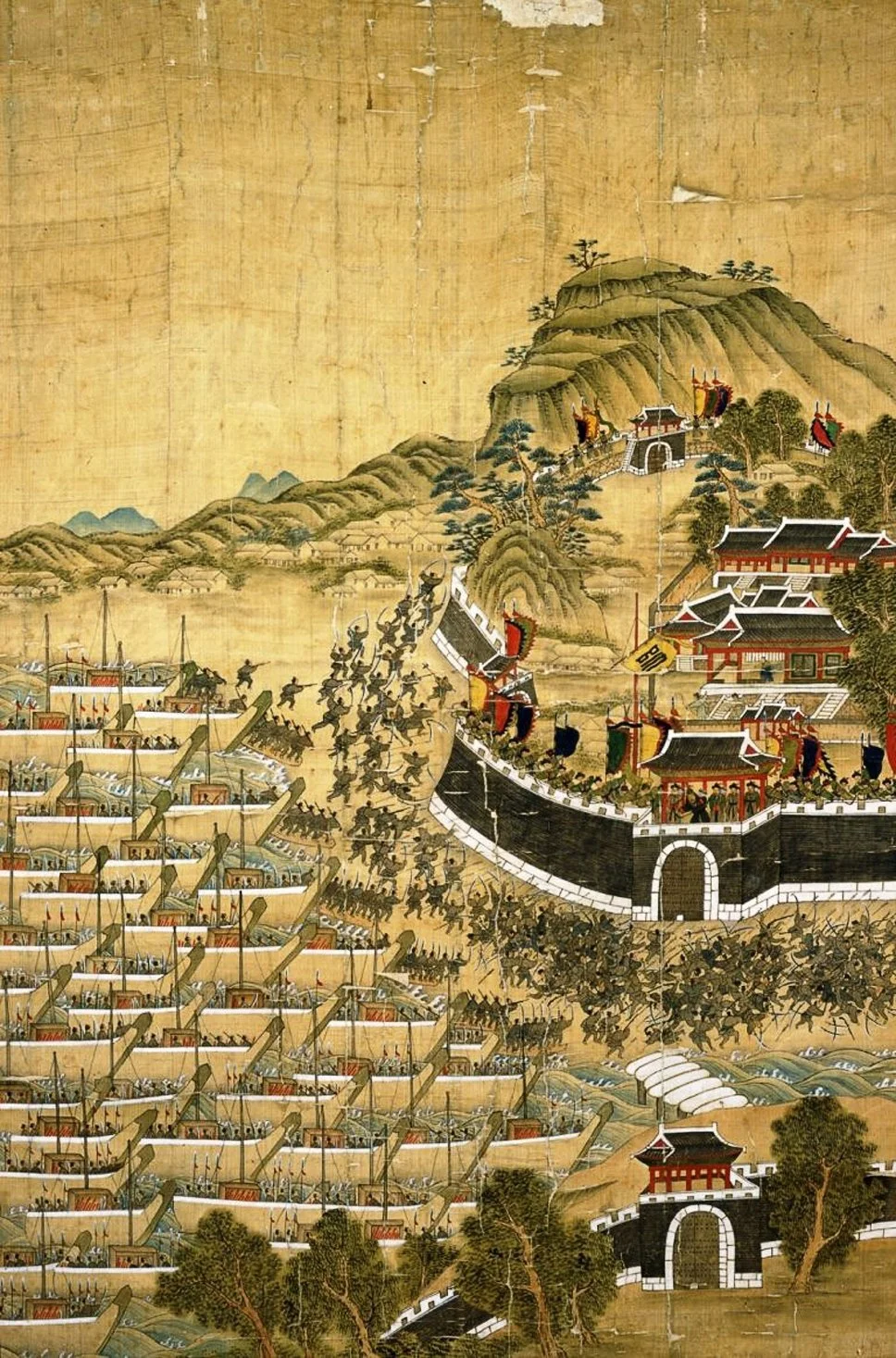
Dark Kingdom Koreana is a complete standalone tabletop roleplaying game of historical horror set in a supernatural 1599 Joseon Korea, in the aftermath of the devastating Imjin War. Players become soldiers, nobles, shamans, hunters, performers and other survivors navigating a fractured kingdom where rival factions struggle for power, creatures of folklore walk the earth, and the boundary between the living, the dead and the spirit world has grown dangerously thin.
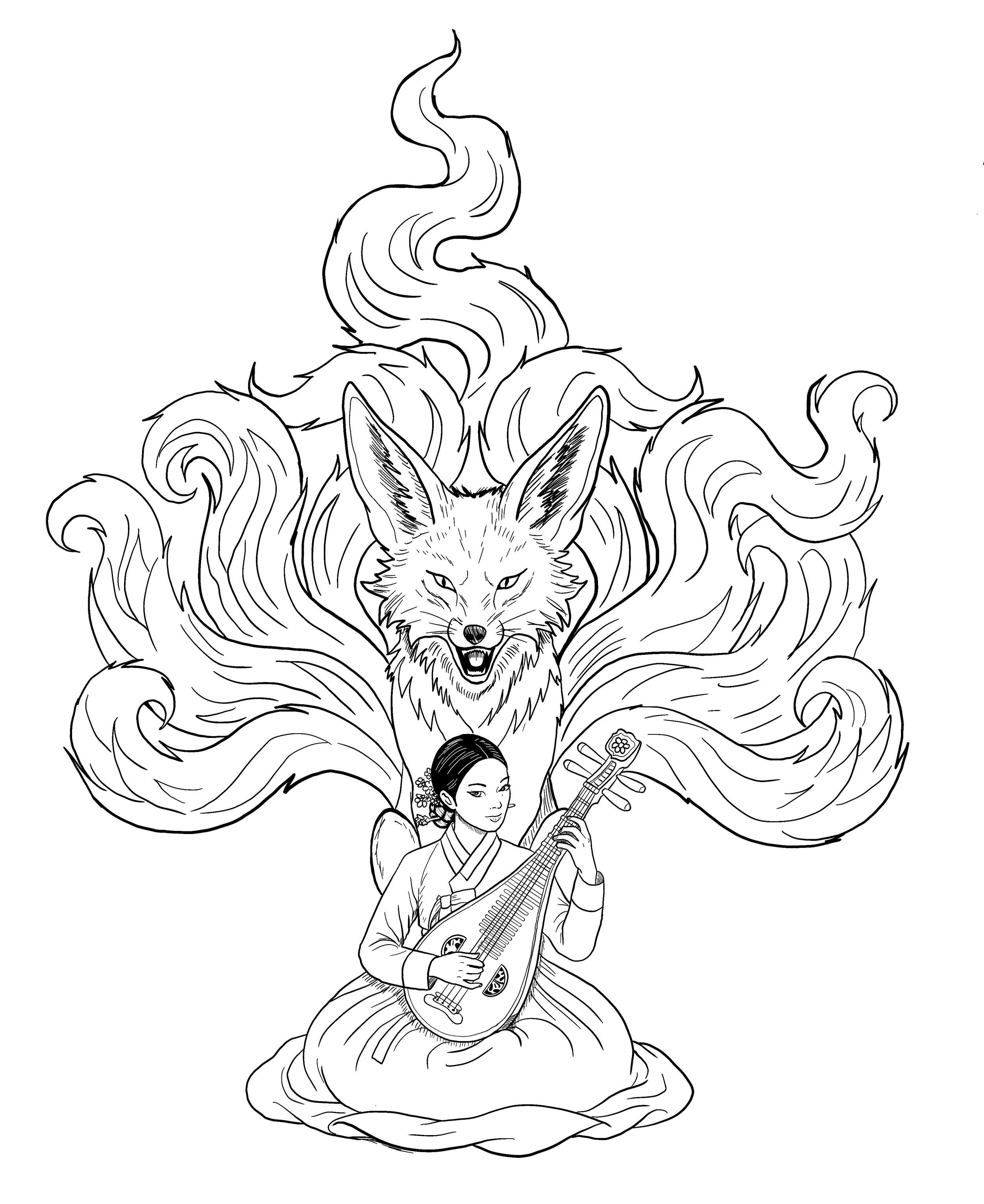
The Imjin War has officially ended, but the nightmare is just beginning. The Joseon Dynasty Korean peninsula is a bruised, ghost-haunted husk. Between the scorched earth left by retreating invaders and the rising tide of the restless dead, death is inevitable, but you could change the course of life on the peninsula forever.
Key Features
Deep Historical-Horror Lore: 300+ pages that put you in a supernatural 1599 Joseon Korea in the aftermath of the Imjin War
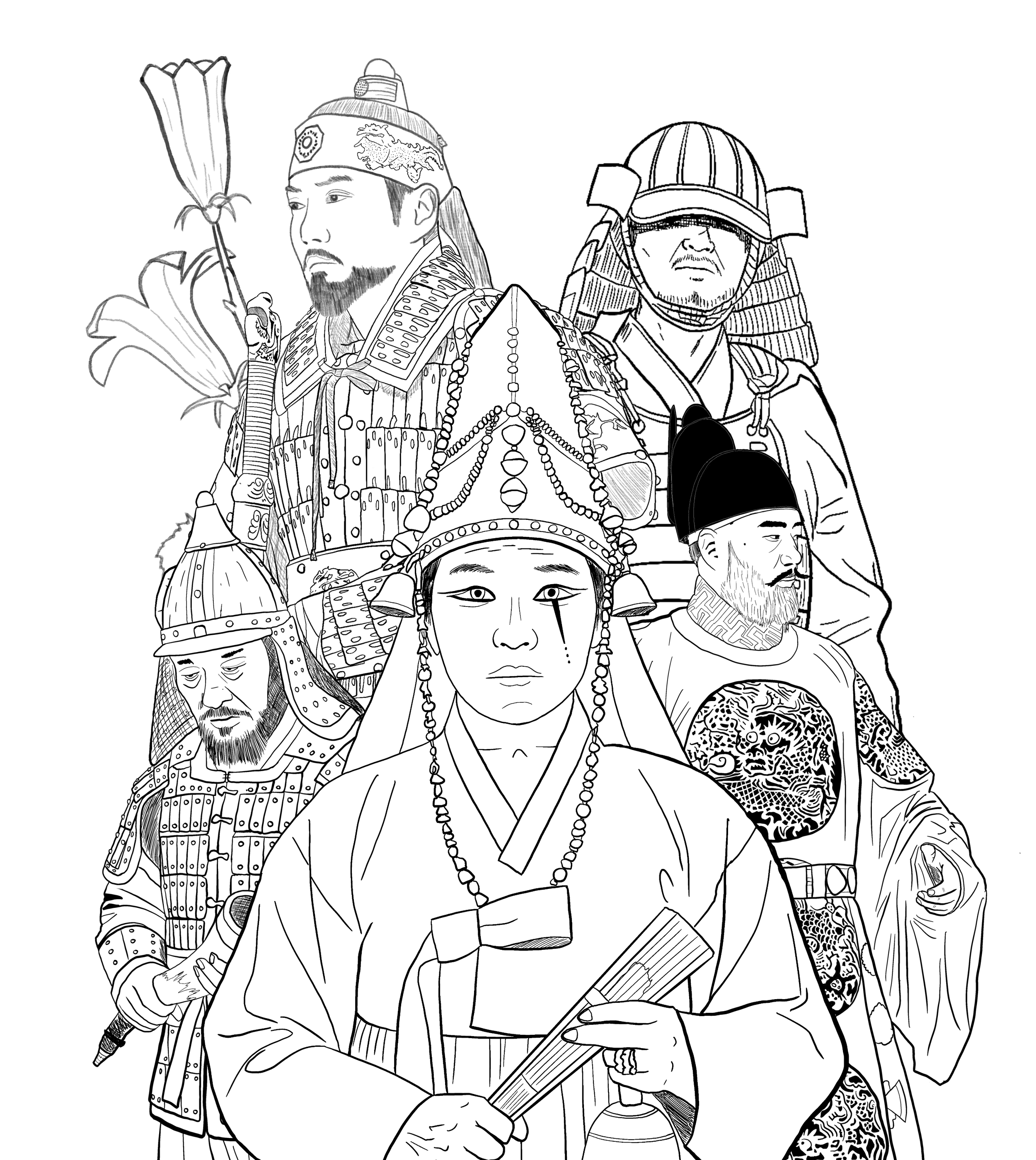
Five major factions: The Joseon Court, Shimazu Banner, Mudang Circle, Ming Army and Dokkaebi Revel all vie for power.
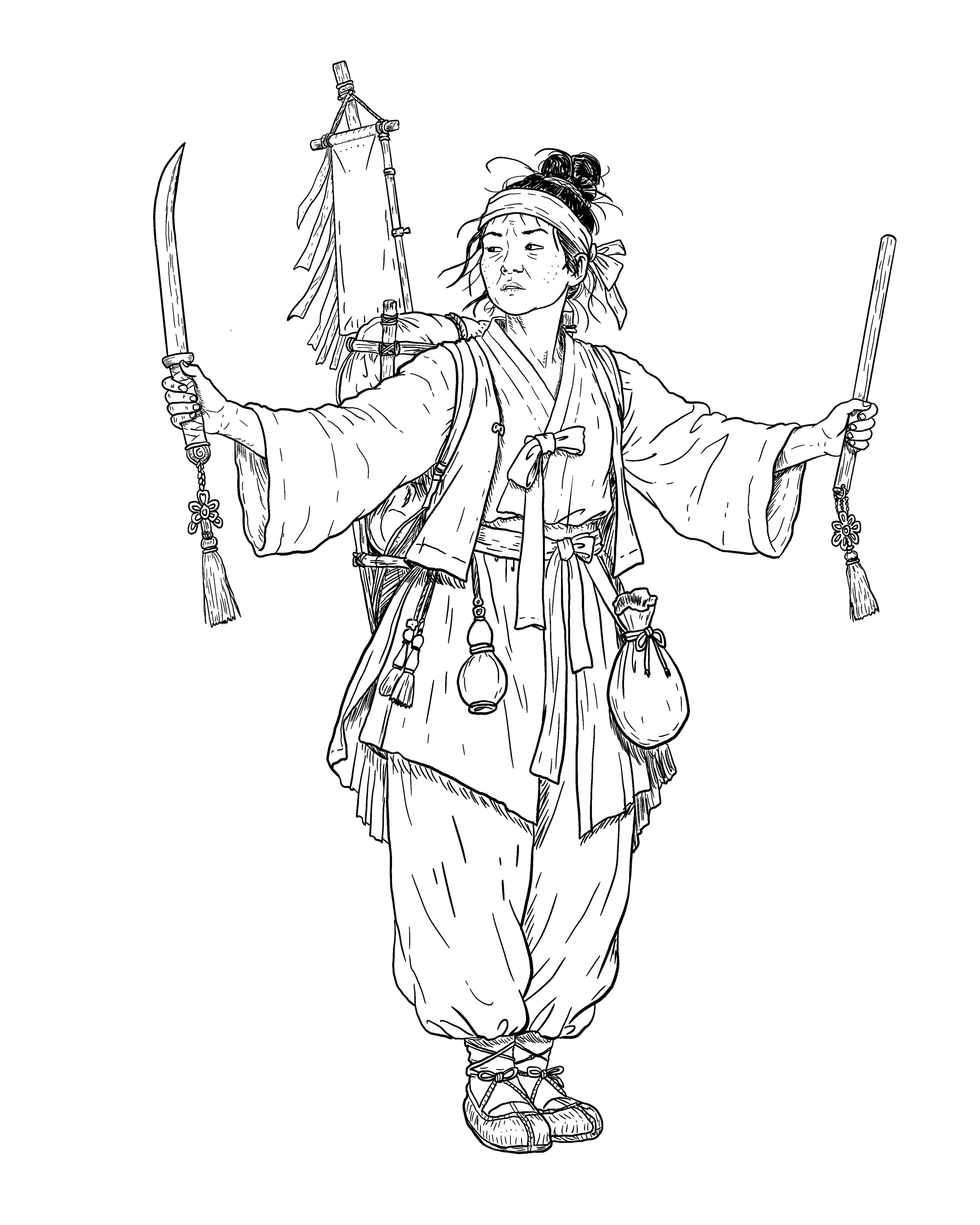
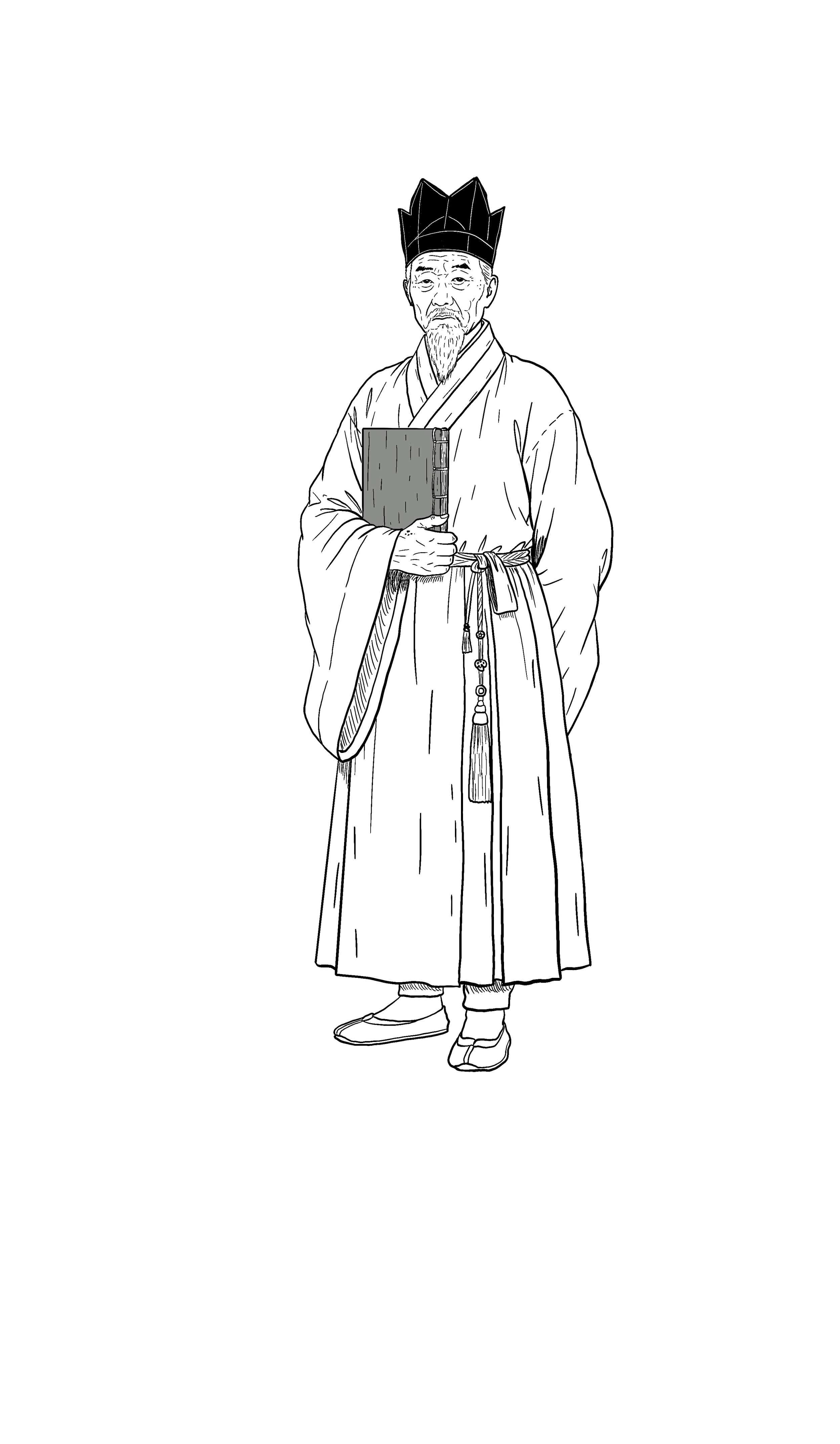
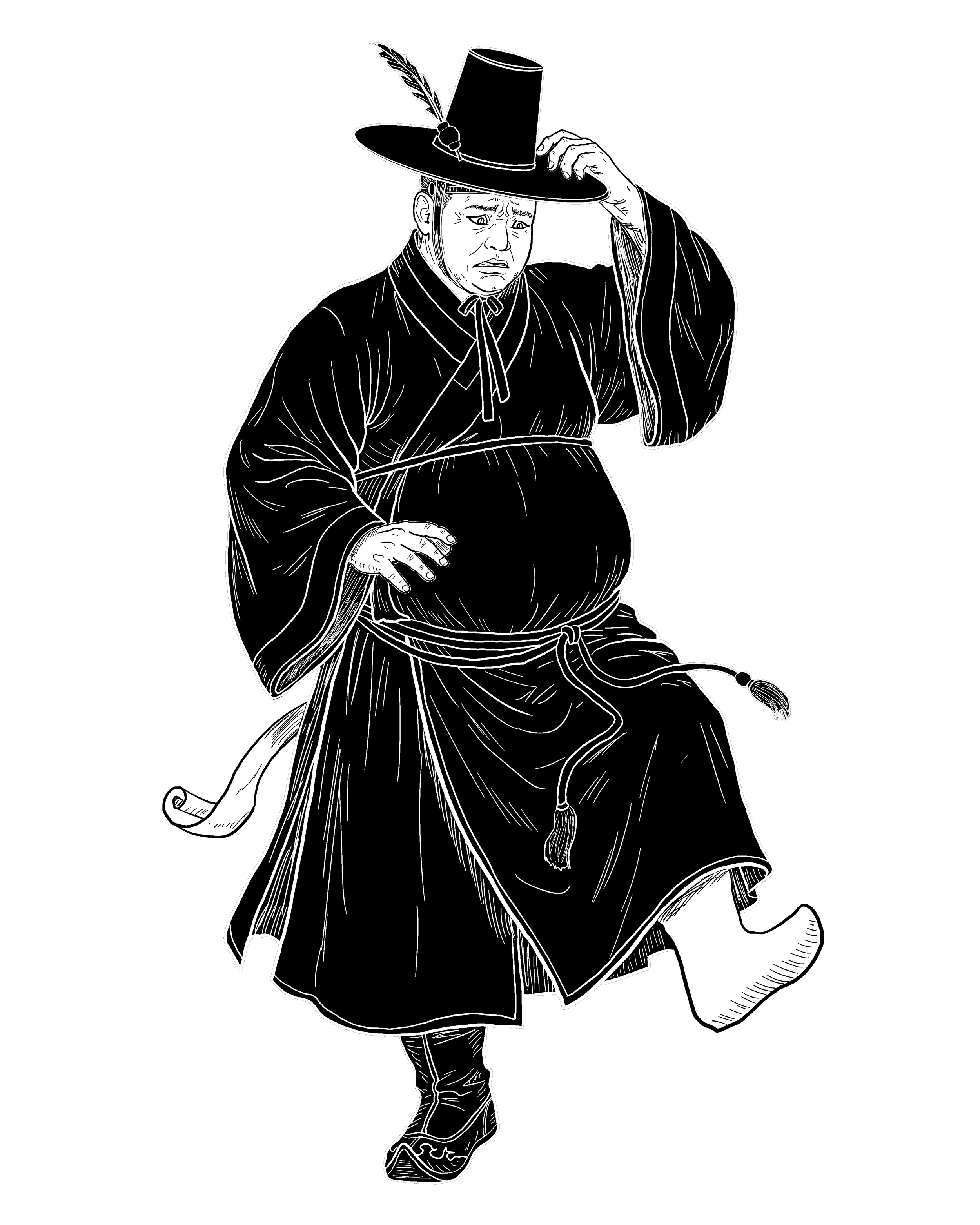
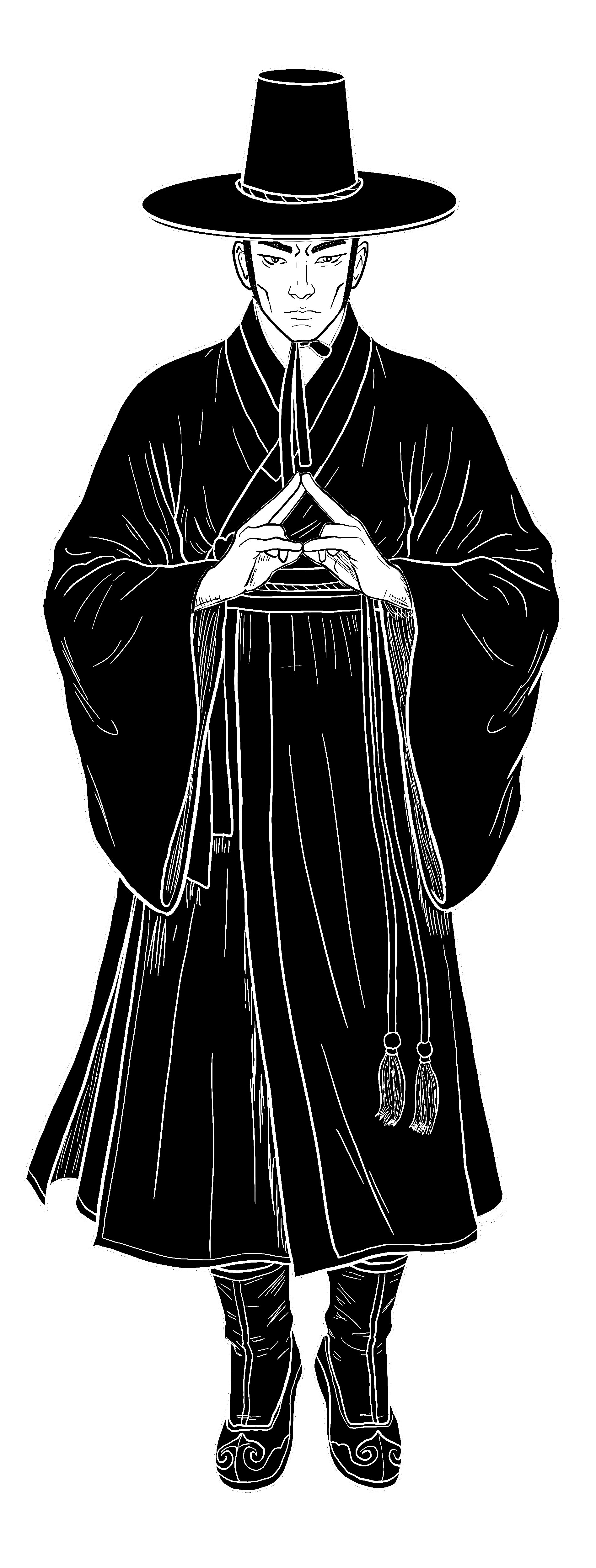
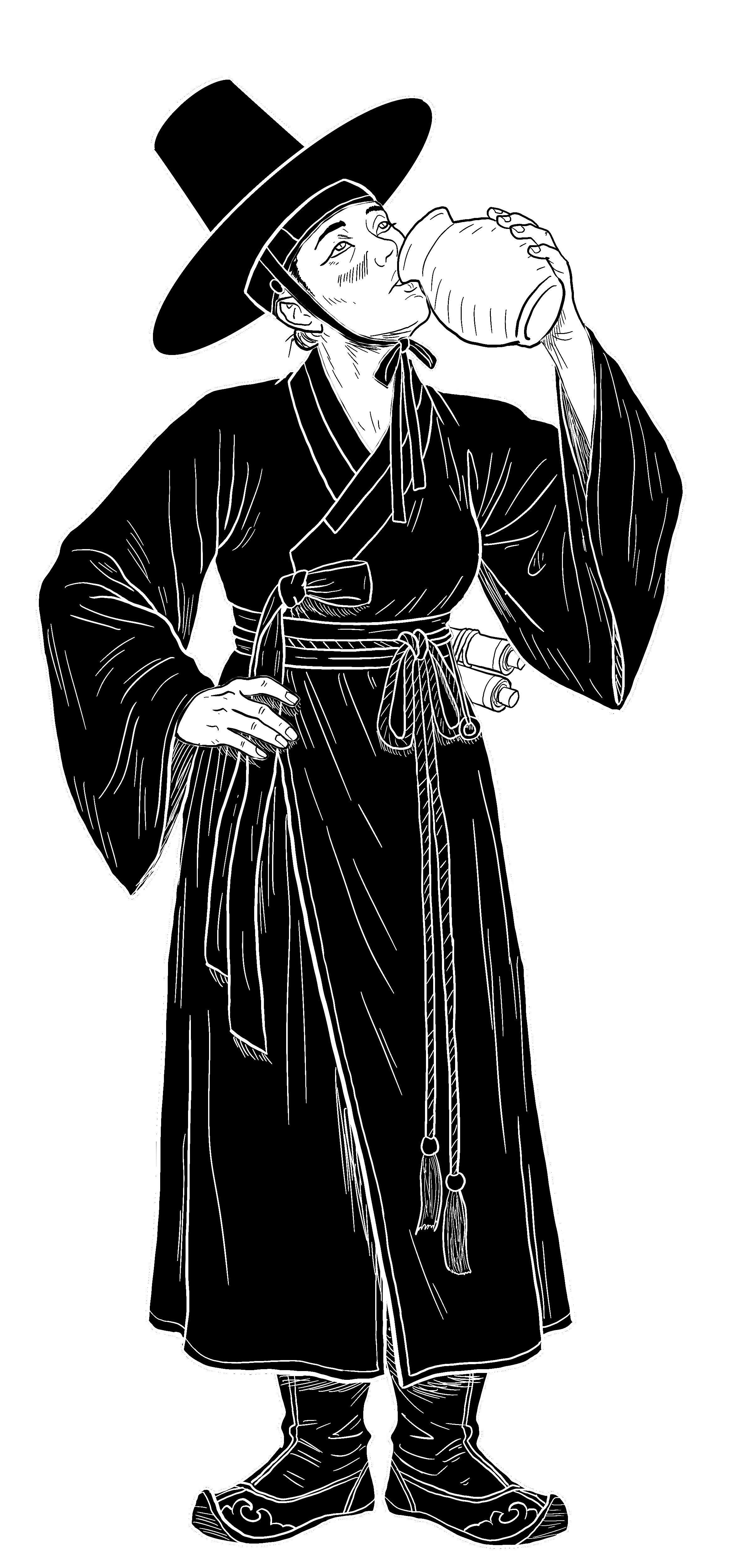
8 Unique Classes: From elite Yangban (nobles) and Chakhogapsa (tiger hunters) to Mudang (shamans) and Gwangdae (minstrels).
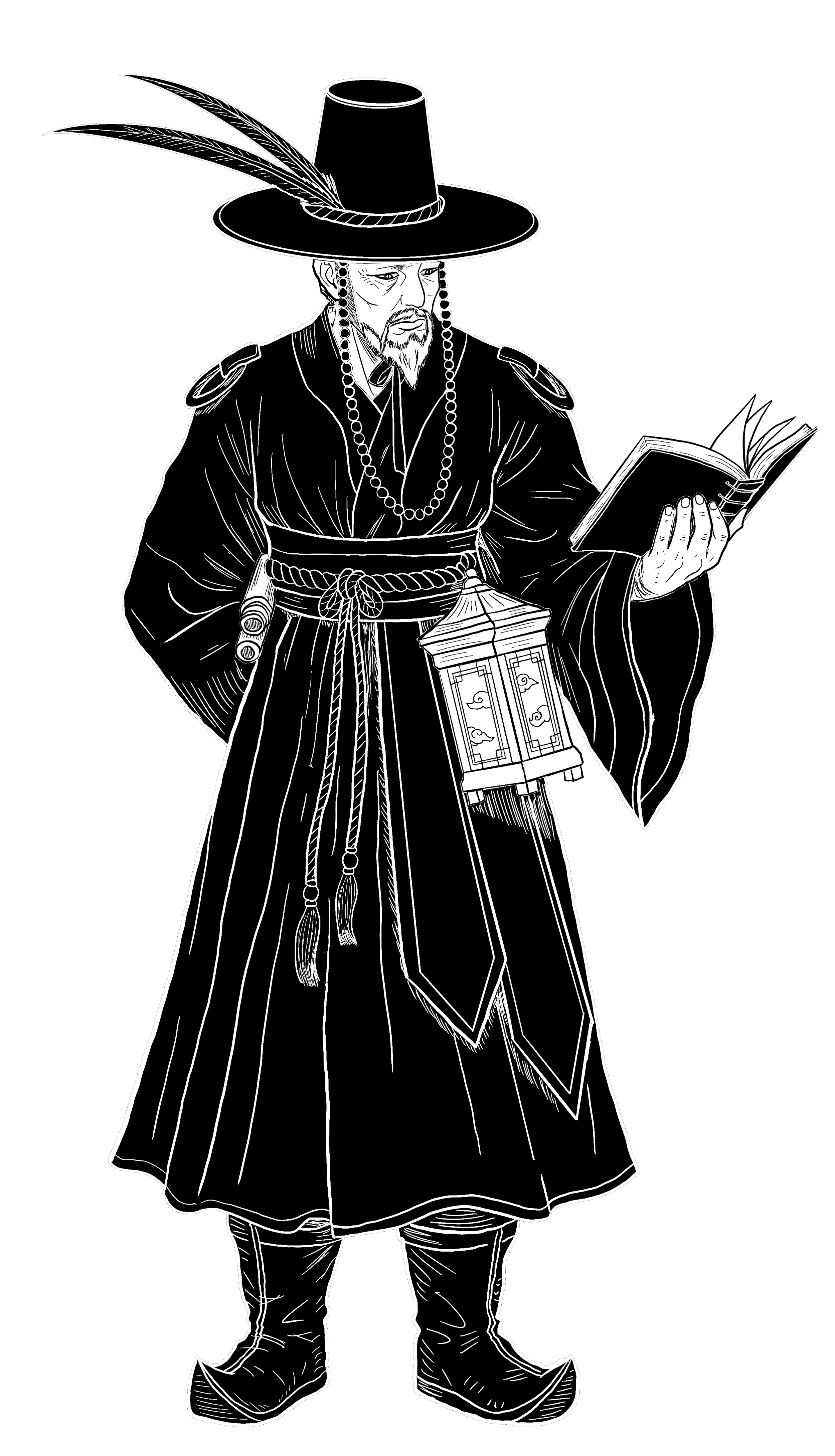
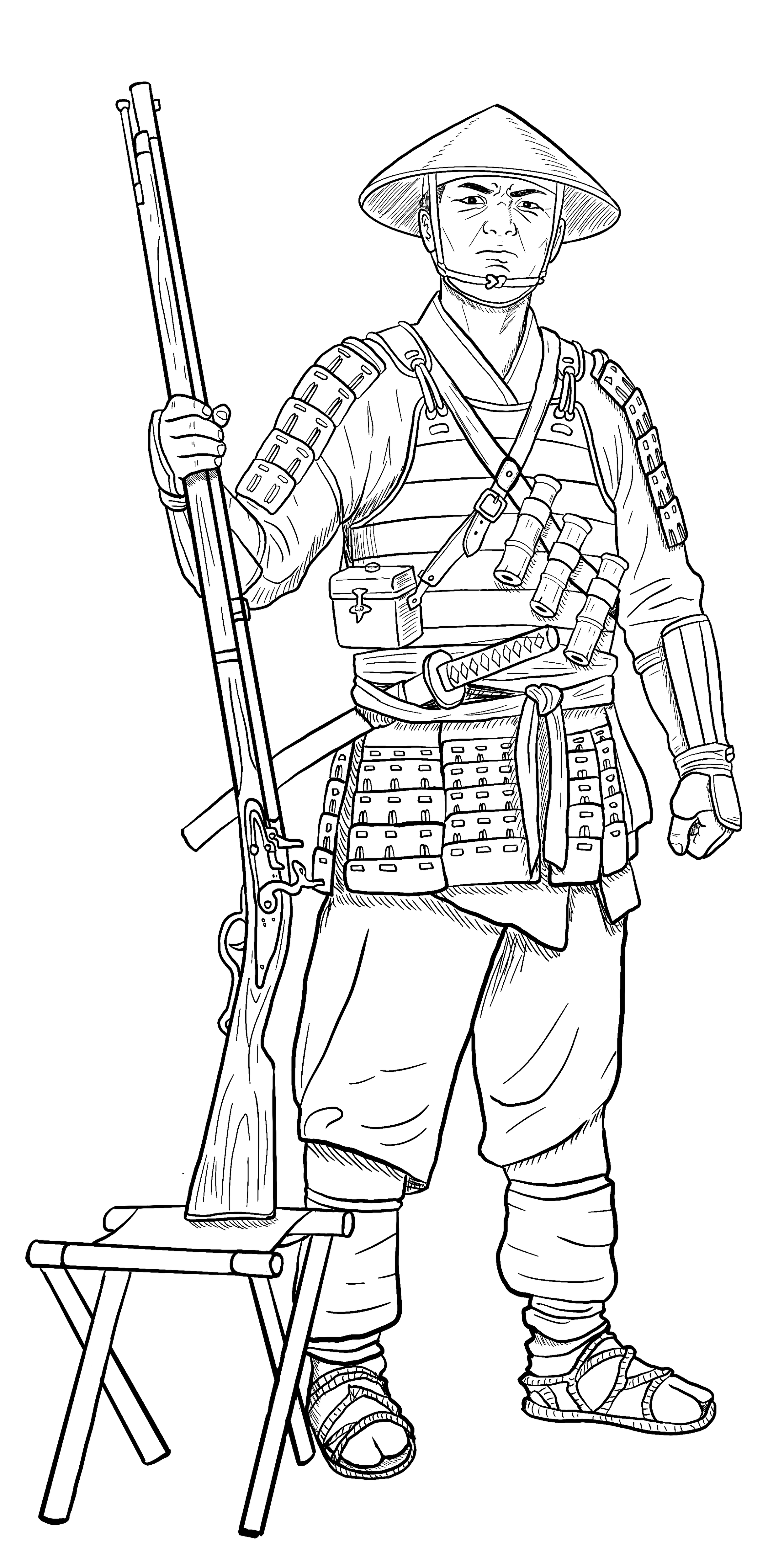
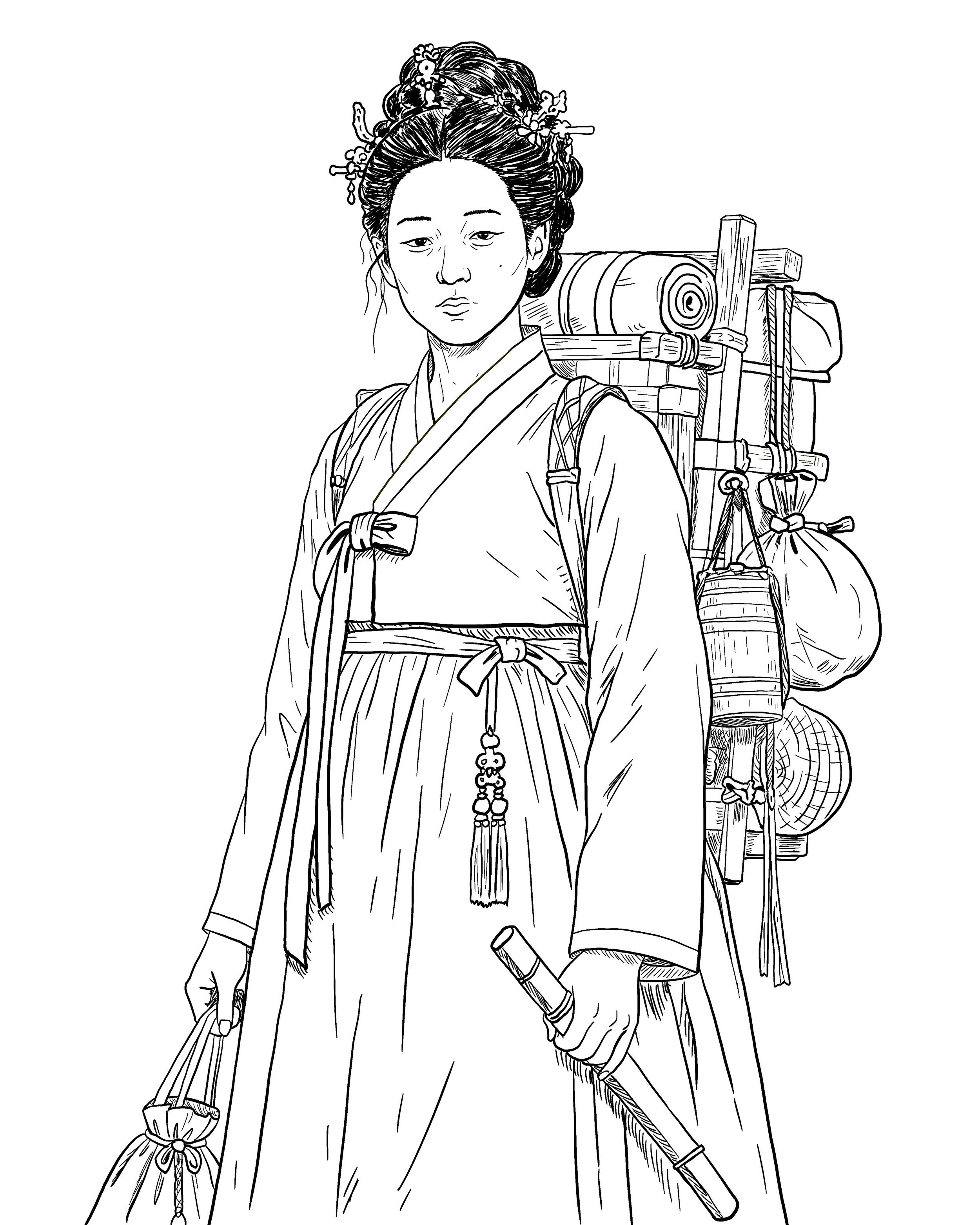
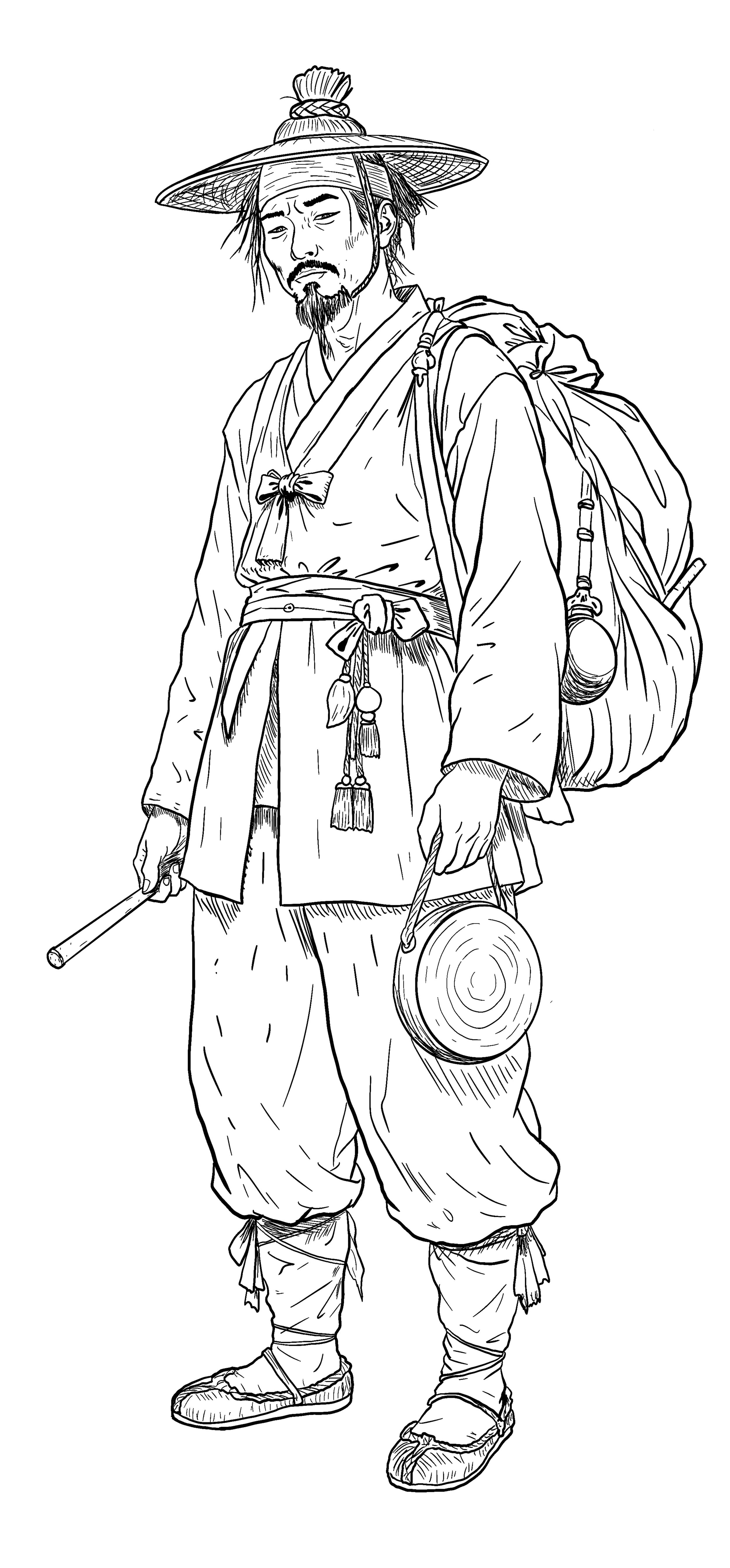
Extensive Weapon and Clothing Illustrations: Many dozens of historical and history-inspired weapons, and myriad items of clothing, hats, footwear and armor from the mid-Joseon Period.
Thematic Supernatural Mechanics: Full rules for Han (narcotic sorrow), the Resurrection Plant, and real handwritten talismans.
Challenging Death Mechanics: Death means conjuring a jeoseung saja, a grim reaper who you might outsmart, cheat or even kill.
Ancestral Favor System: A point-based mechanic for calling upon lineage and spirits for protection or power.
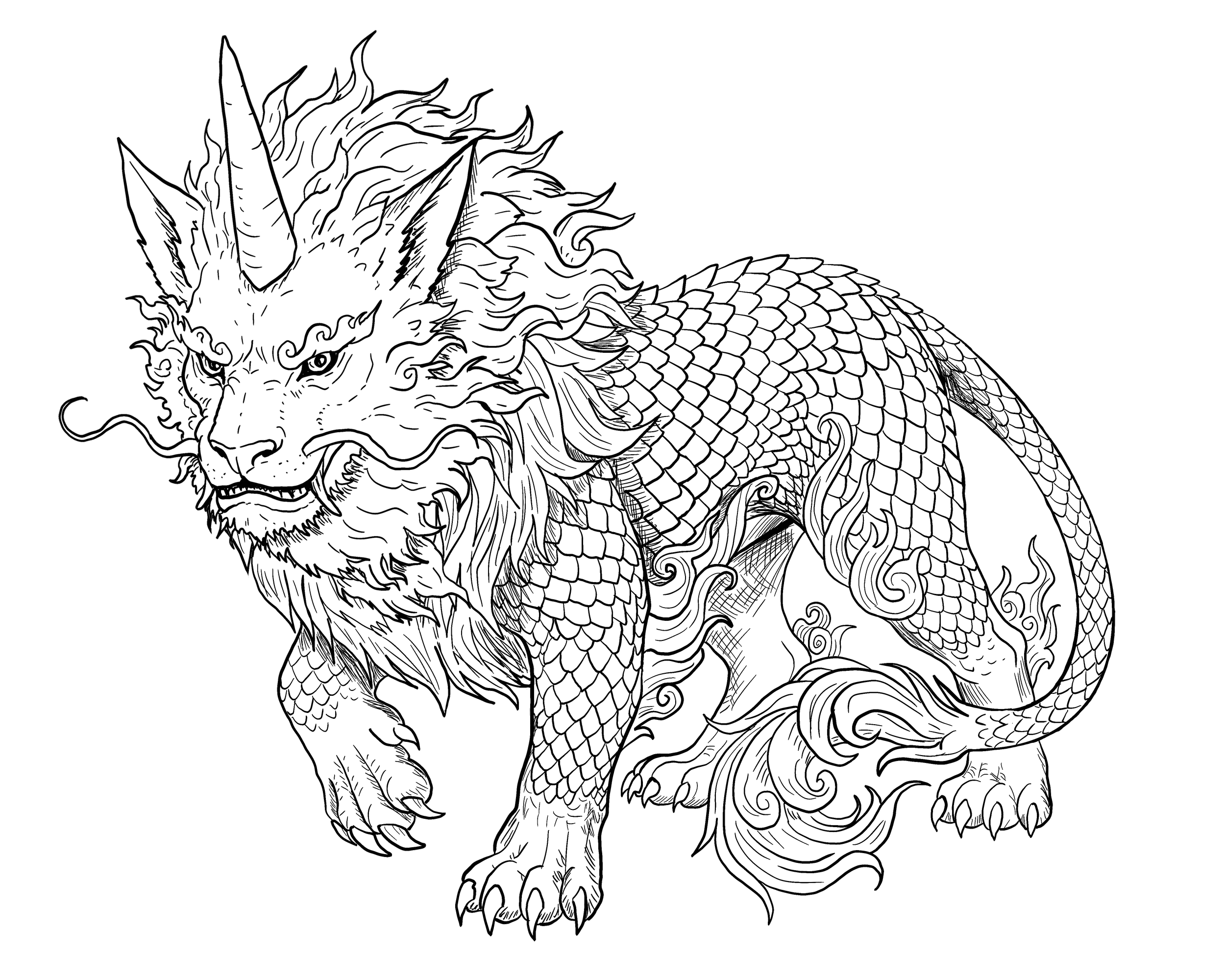
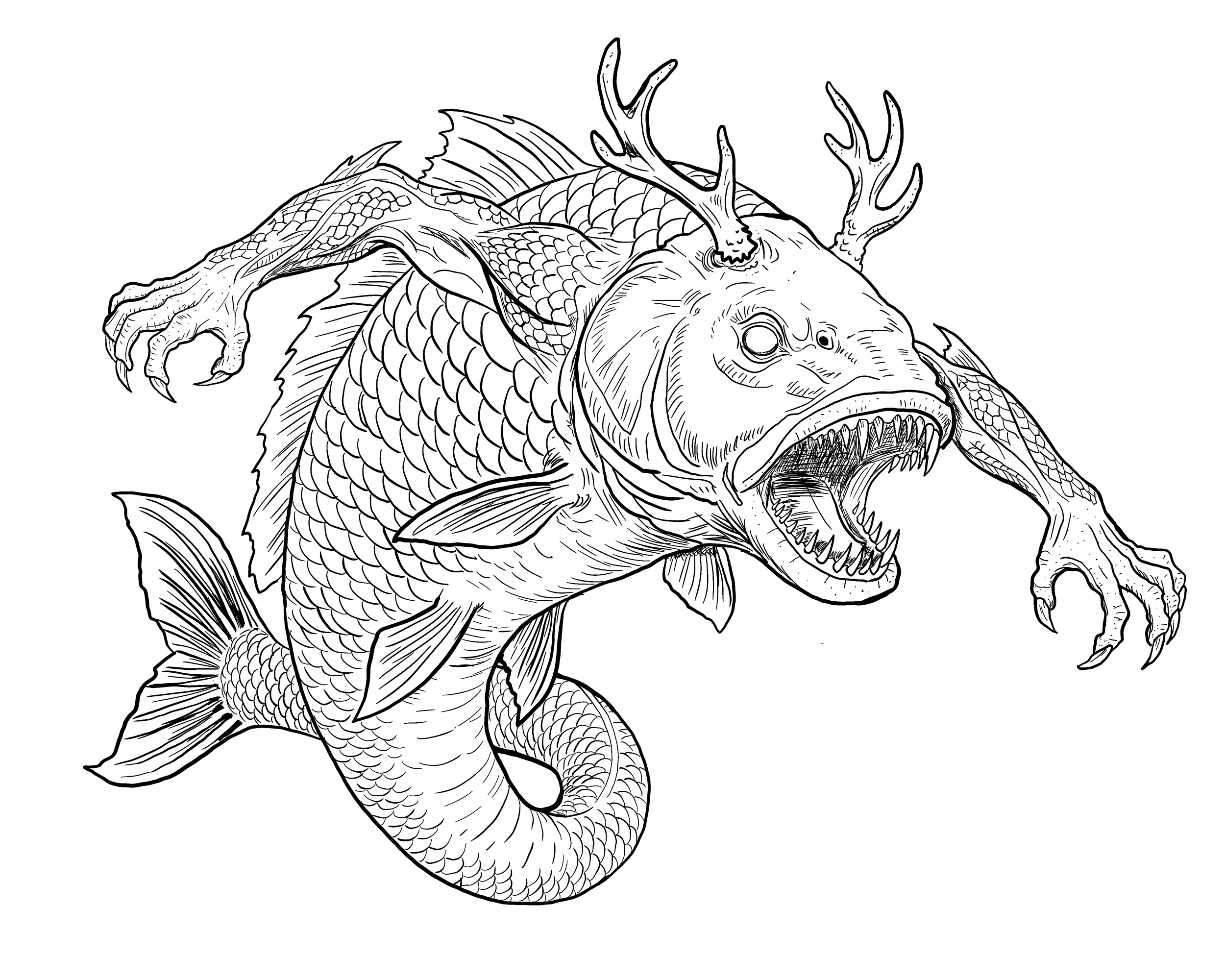
Korean Bestiary: An overwhelming collection of folkloric threats ranging from archetypes for each of the five factions, six categories of natural threats, supernatural monsters, wraiths, dragons and more.
Generators: Weather, diseases and curses, villages, temples, korean and Japanese fortresses, treasure, jobs and rumors. Also an NPC generator with millions of combinations across all five factions.
Complete Naval Combat rules: a system so thoroughly developed that it can stand as its own tabletop skirmish game.
Death is not the end in Dark Kingdom Koreana, but it is a new beginning you may live to regret.
When your HP hits zero, you conjure a Jeoseung Saja, a grim reaper of the underworld. You might outsmart them, you might cheat them, or if you are truly desperate, you might try to kill them.
Face Your Fate.
Resentment and Undeath.

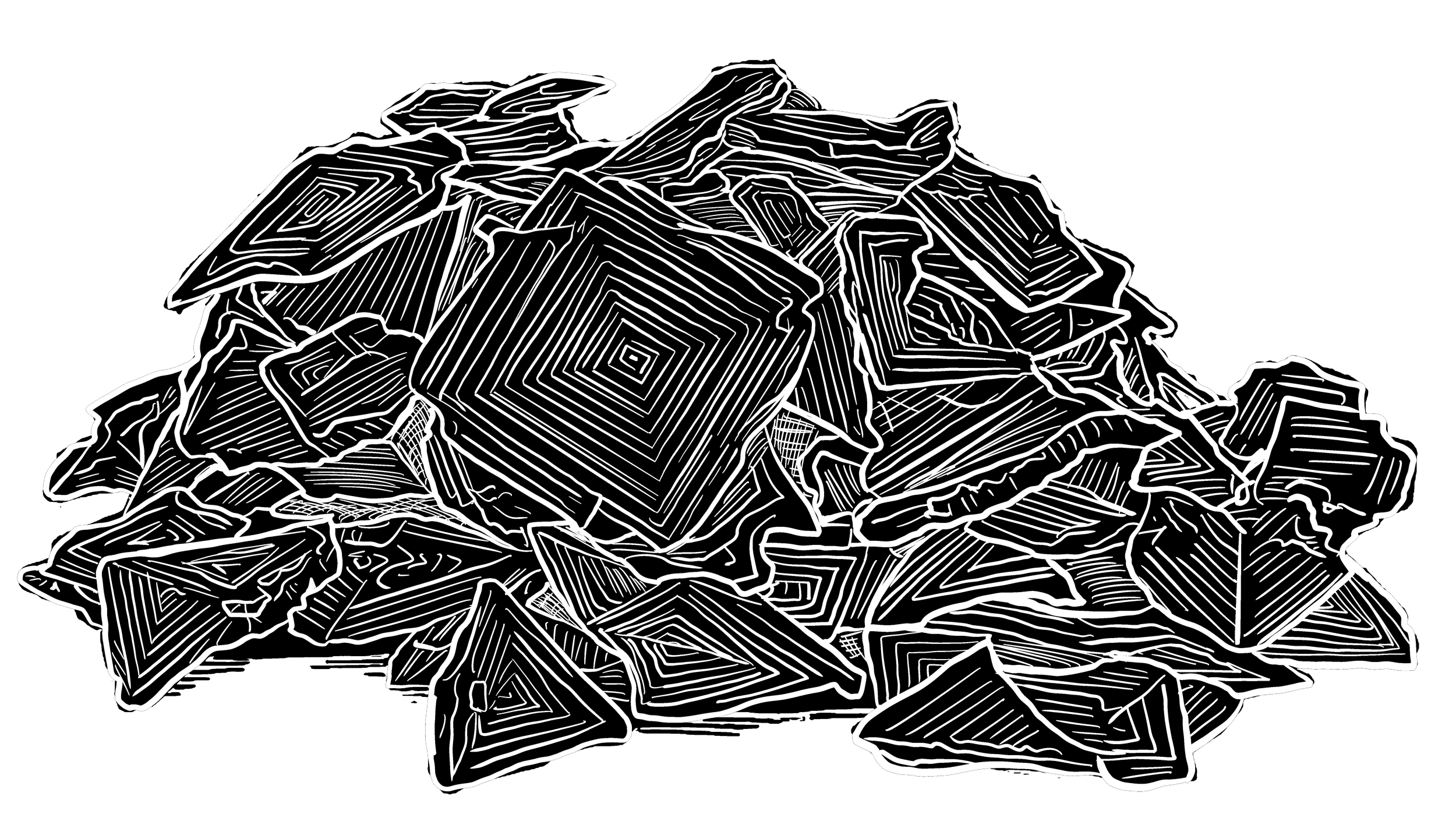
In this setting, the environment is as much an enemy as any monster.
Han: A unique mechanic representing "narcotic sorrow," a deep-seated grief that grants power but slowly erodes the soul.
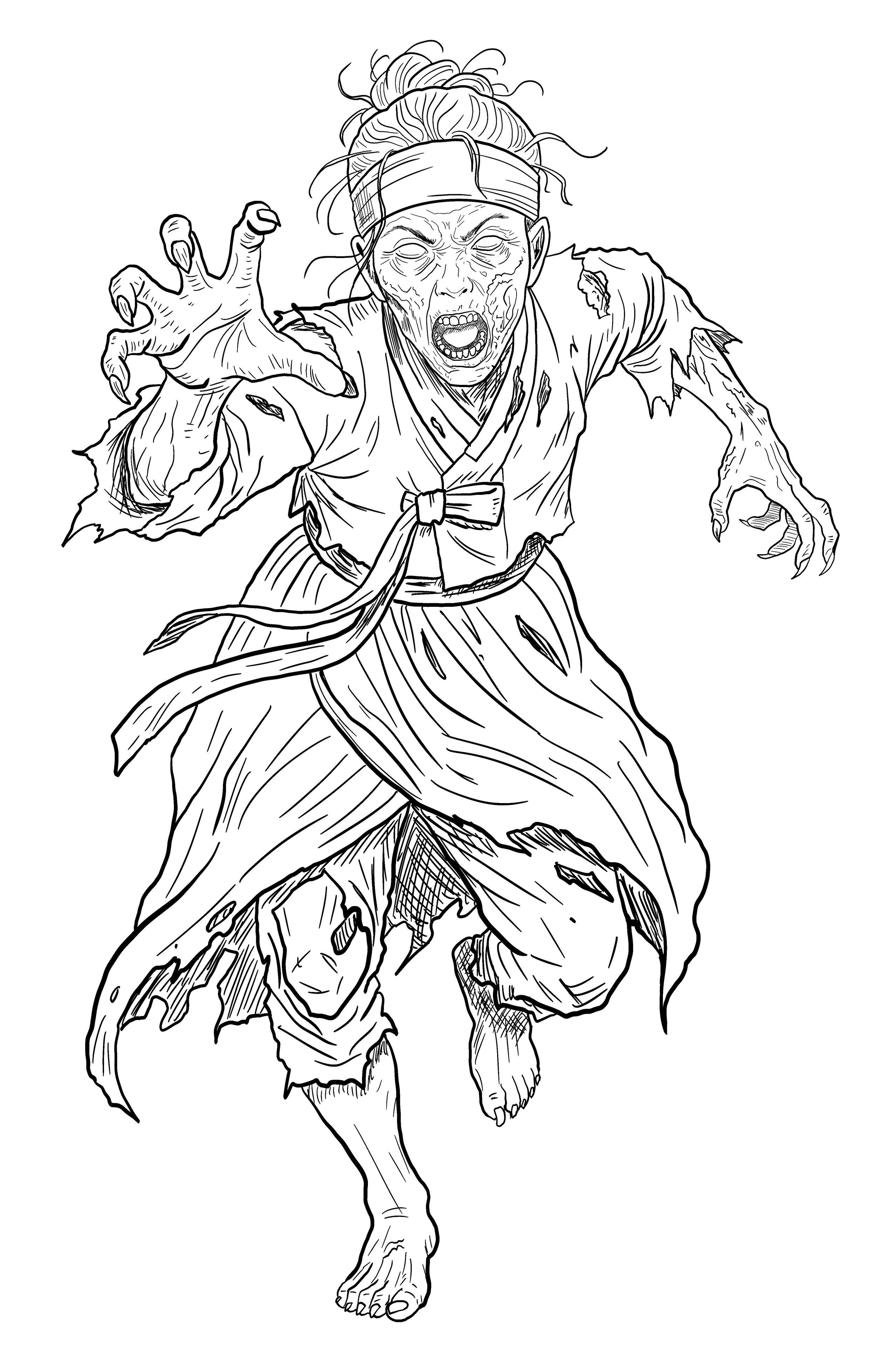
Saengsacho: The Resurrection Plant. Rules for the forbidden herb that keeps the dead walking and the living terrified.

A massive collection of threats awaits you. Face off against:
Five Faction Archetypes: Humans are often the cruelest monsters.
Natural and Supernatural Threats: Dozens of animals, monsters brought to life from Korean folklore, dragons, vengeful spirits and more.
Natural Hazards: Environmental dangers ranging from plants to diseases to curses.
Historic and Folkloric Nightmares

Endless Replayability.
Never run out of content with a massive suite of random tables designed for the mid-Joseon era:
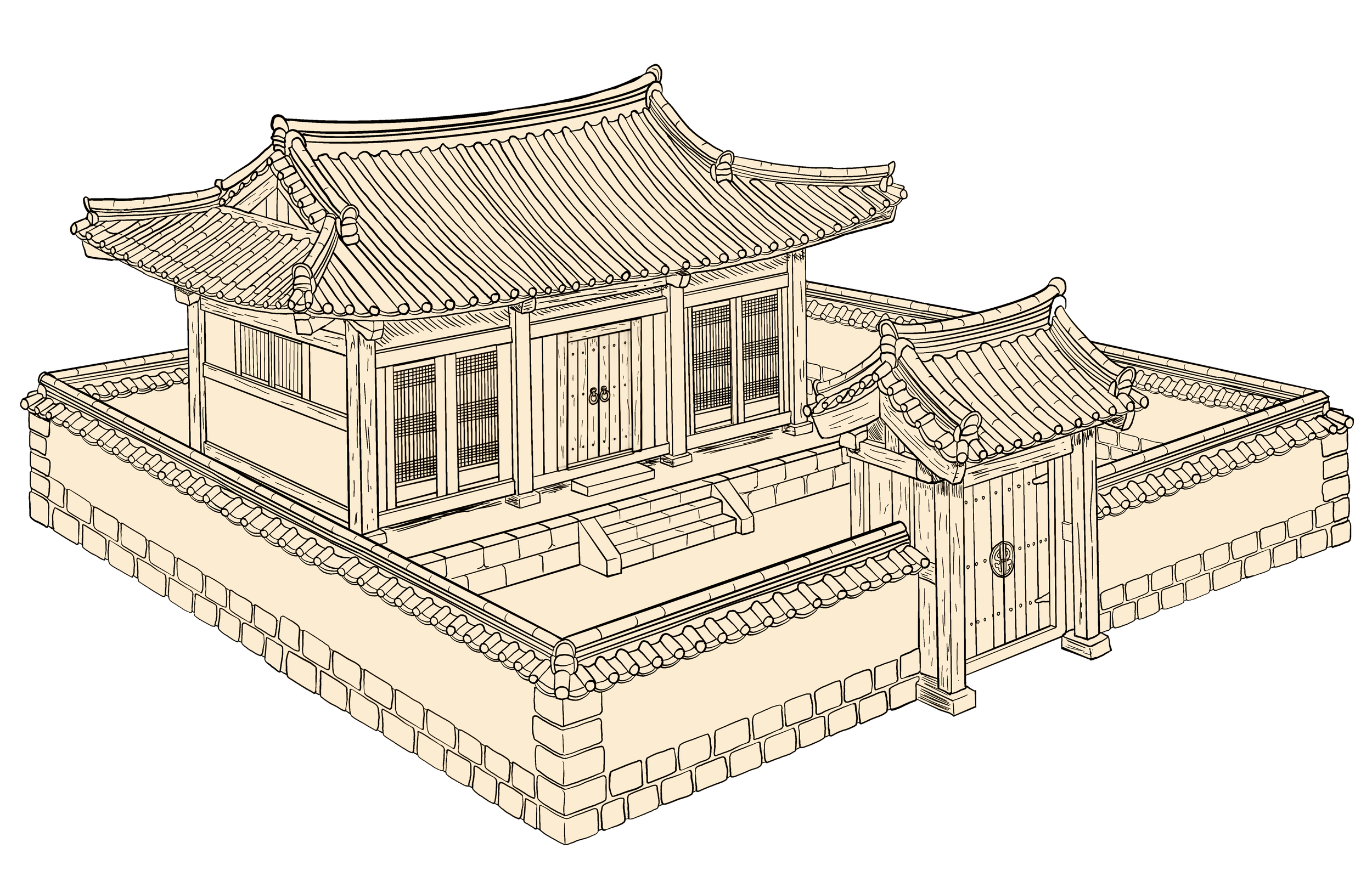
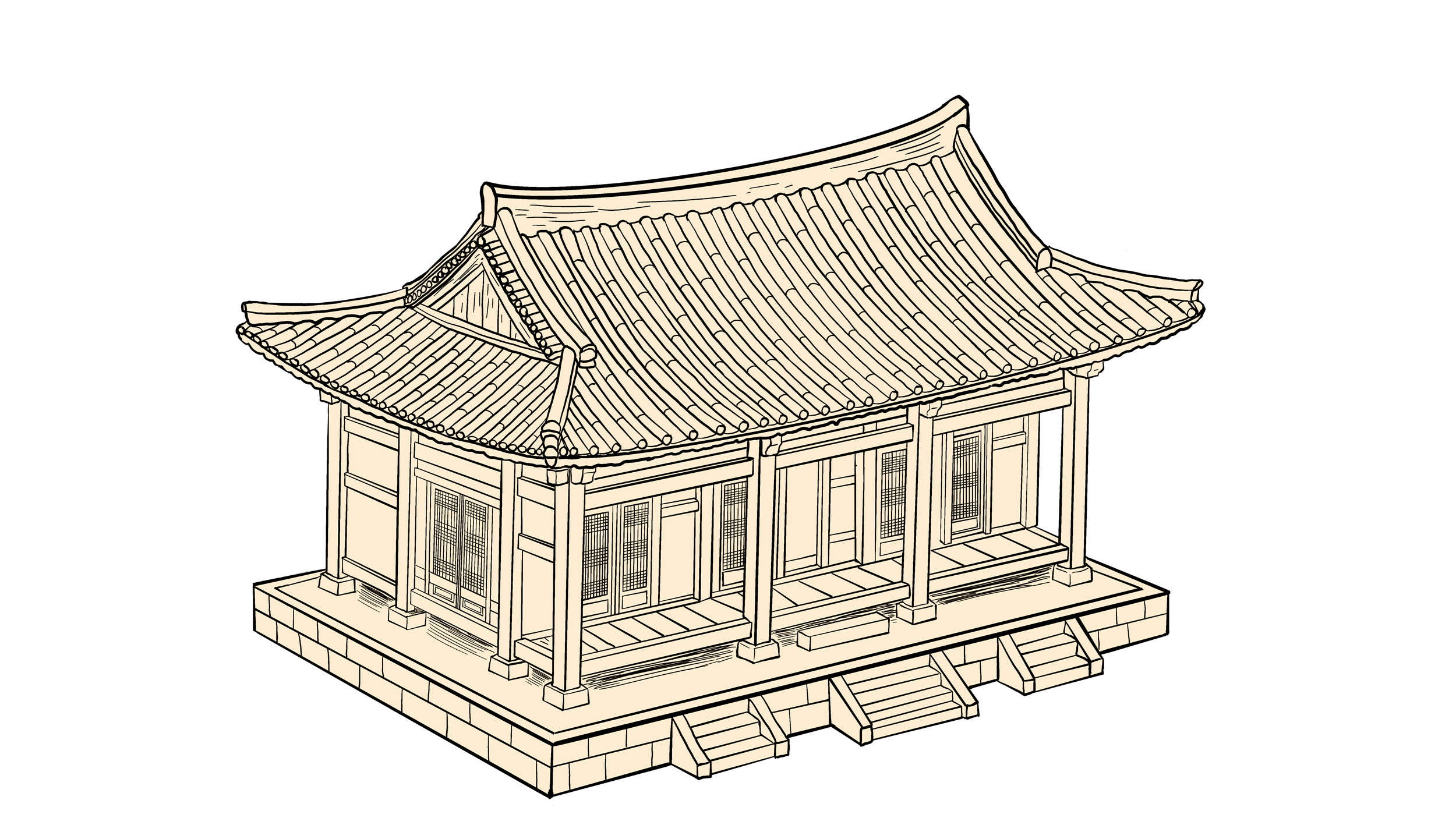
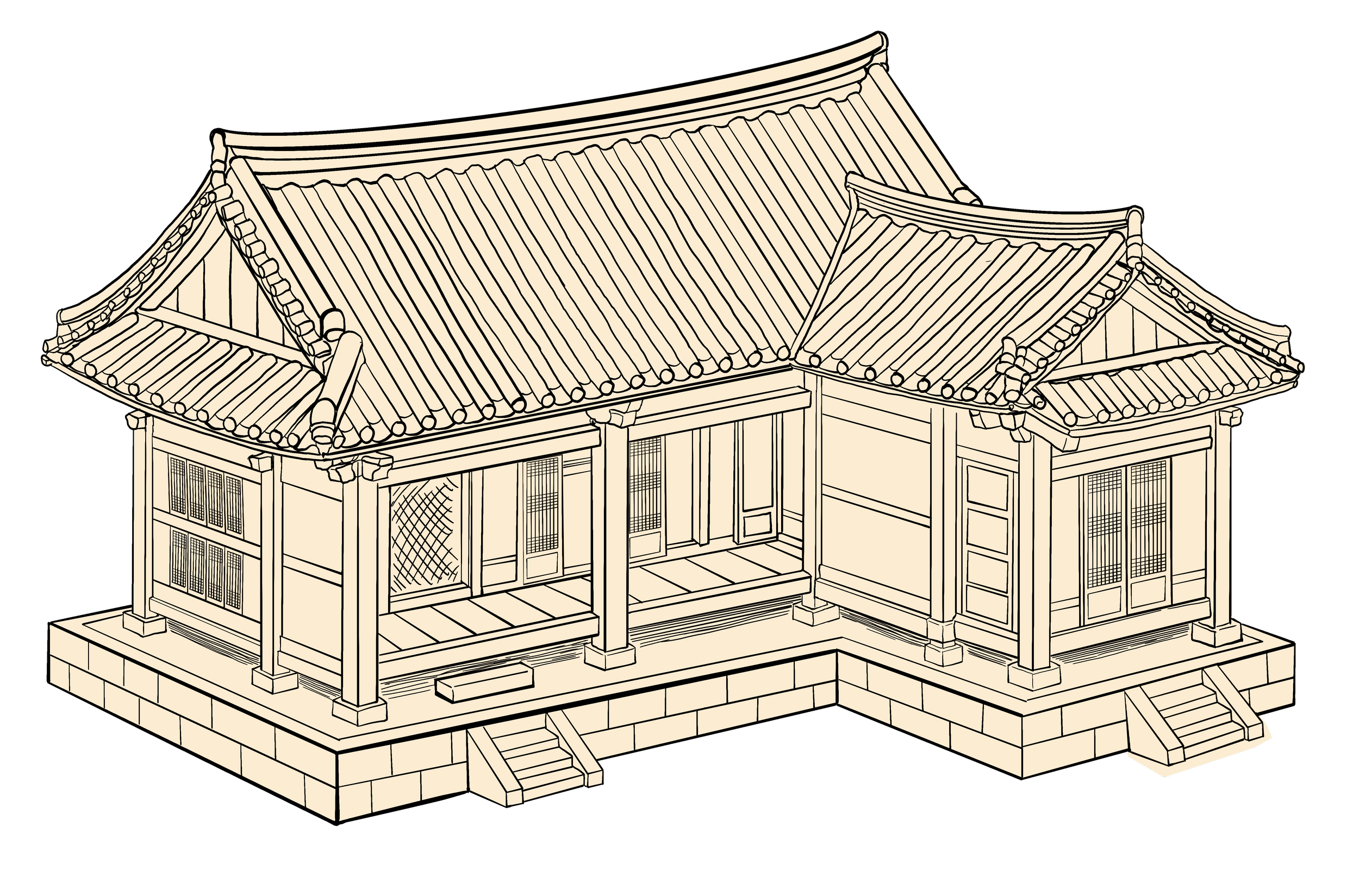
Settlements & Structures: Generate villages, Buddhist temples, and sprawling fortresses.
Loot & Lore: Hidden treasures, jobs, rumors, and water hazards.
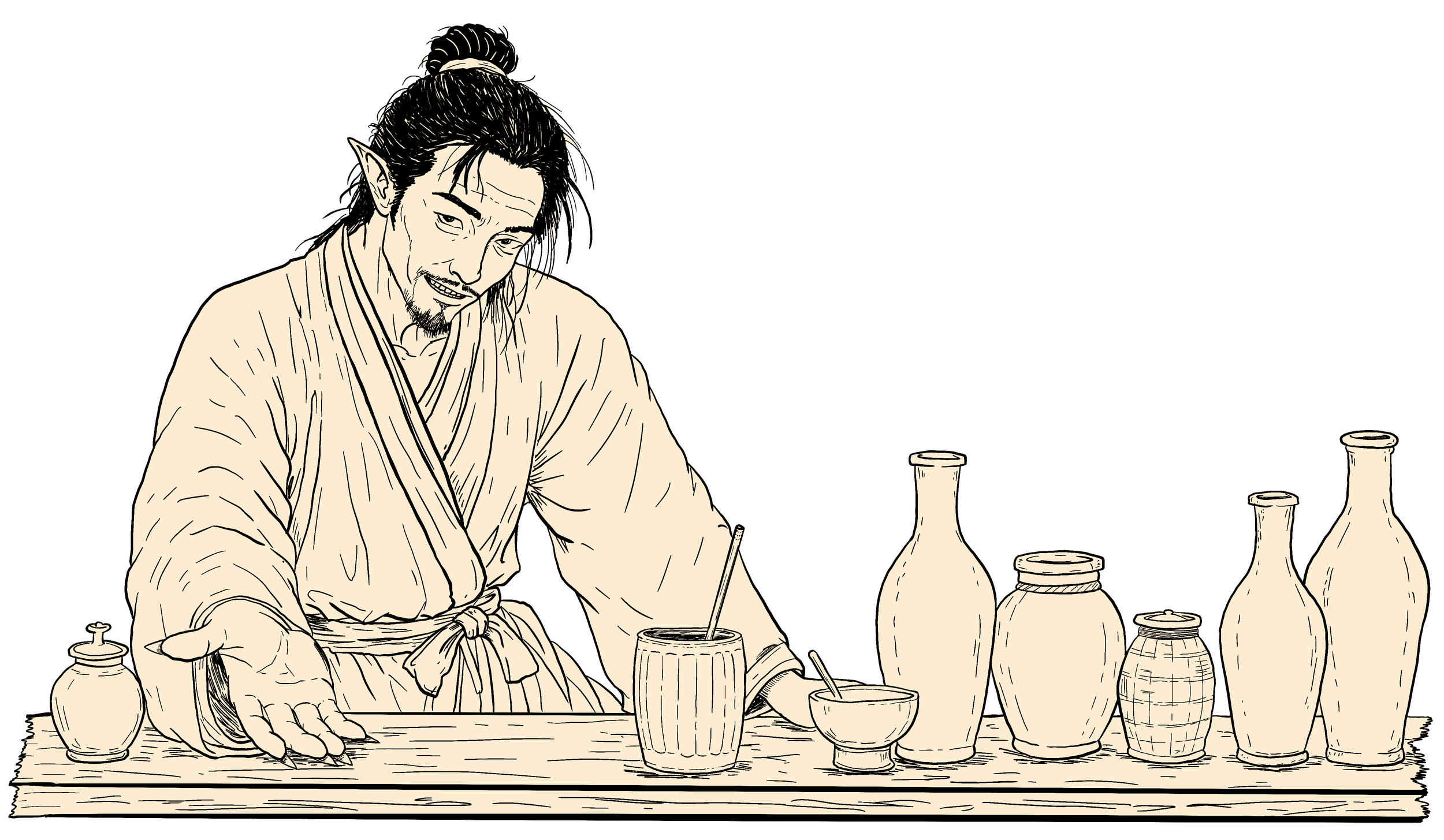
The NPC Engine: Millions of possible combinations to create realistic, faction-aligned characters with historically accurate names.
The Dark Kingdom Engine.
Fast, Rules-Light d20 Engine: Roll a d20, add one of five Attributes, and meet or beat a Difficulty Rating. Most ordinary challenges sit around DR12, keeping resolution quick and consistent.
Five Core Attributes: Strength, Agility, Presence, Toughness and Spirit cover physical action, combat, investigation, social interaction, survival and the supernatural.
Player-Facing Combat: Players make both attack and defense rolls, while enemies generally don't roll to attack, keeping the action focused on player decisions.
Burn Attributes to Survive: Attribute points act as both modifiers and spendable resources. A character can temporarily burn an Attribute point to immediately recover HP, forcing a choice between surviving now and becoming less capable afterward.
Damage Beyond Hit Points: Certain supernatural attacks, curses and other threats can damage Attributes directly, making injuries and encounters dangerous in ways that ordinary HP loss isn't.
Built for Rulings, Not Rules: The system deliberately avoids granular simulation in favor of exploration, problem-solving, dangerous choices and consequences.
Ancestral Favor: A limited metacurrency lets characters call upon their lineage to reroll dice, reduce damage, lower Difficulty Ratings and more. Favor must be replenished by actually honoring the ancestors.
Quick but Dangerous Combat: Initiative is rerolled every round, movement and actions are simple, and melee, ranged and defense rolls use the same core test system.
Simple, Meaningful Advancement: Advancement grants a new class feature plus a choice between more max HP or improving an Attribute, keeping character growth substantial without adding mechanical bloat.
Consequential Rest & Recovery: Short rests restore a little HP, while long rests force a choice between recovering HP or restoring a depleted Attribute, making resource management continue beyond combat.
Dangerous Ritual Magic: Supernatural rituals are powerful but carry the possibility of bizarre and sometimes catastrophic mystical mishaps.
The Naval Engine.
Dark Kingdom Koreana features a complete tactical naval combat game built into it: Fight ship-to-ship battles on a hex map using a dedicated system for movement, maneuvering, cannon fire, small arms, ramming, boarding and damage, all integrated into the core RPG.
The Rules
Based on the naval combat rules of Pirate Borg: Key changes have been made and playtested for a more tactical, streamlined experience.
Every Player Runs the Ship: After the Captain maneuvers the vessel, each player performs a Crew Action: firing cannon, aiming at enemy systems, rallying the crew, repairing damage, driving the oars, ramming or boarding.
Shared Crew Bonus Resource: The Captain receives a pool of Crew Bonus points each turn and decides how to distribute them among the players' actions, creating a constant tactical choice between concentrating resources on one crucial maneuver or spreading them across the crew.
Sails vs. Oars: Captains choose between Sails Up and Oars Only stances. Sails provide greater speed but expose vulnerable rigging, while oars offer slower, more controlled maneuvering and protect the sails from targeted attacks.
Position and Facing Matter: Ships have limited turning rates, different Sail and Oar speeds, and cannon firing arcs. Getting your broadside onto an enemy without exposing yourself becomes a central part of every engagement.
Target Individual Ship Systems: Instead of simply pounding away at Hull, players can aim cannon fire at Sails, Oars and other components, crippling an enemy vessel's mobility before closing for the kill.
Cannons and Small Arms Have Different Jobs: Cannon fire destroys ships and can cause catastrophic damage, while small-arms fire attacks the enemy's Crew Bonus, gradually degrading the crew's effectiveness rather than the Hull.
Ramming, Boarding & Repairs: Naval battles aren't just shooting matches. Ships can ram opponents, conduct emergency repairs, rally battered crews, drop anchor for more accurate cannon fire, or grapple alongside an enemy and board it.
Boarding Becomes an RPG Battle: Successfully board an enemy and the game seamlessly shifts back into the regular character-scale combat rules, with the surrounding clash of sailors abstracted through unpredictable Boarding Fight Complications.
The Ships
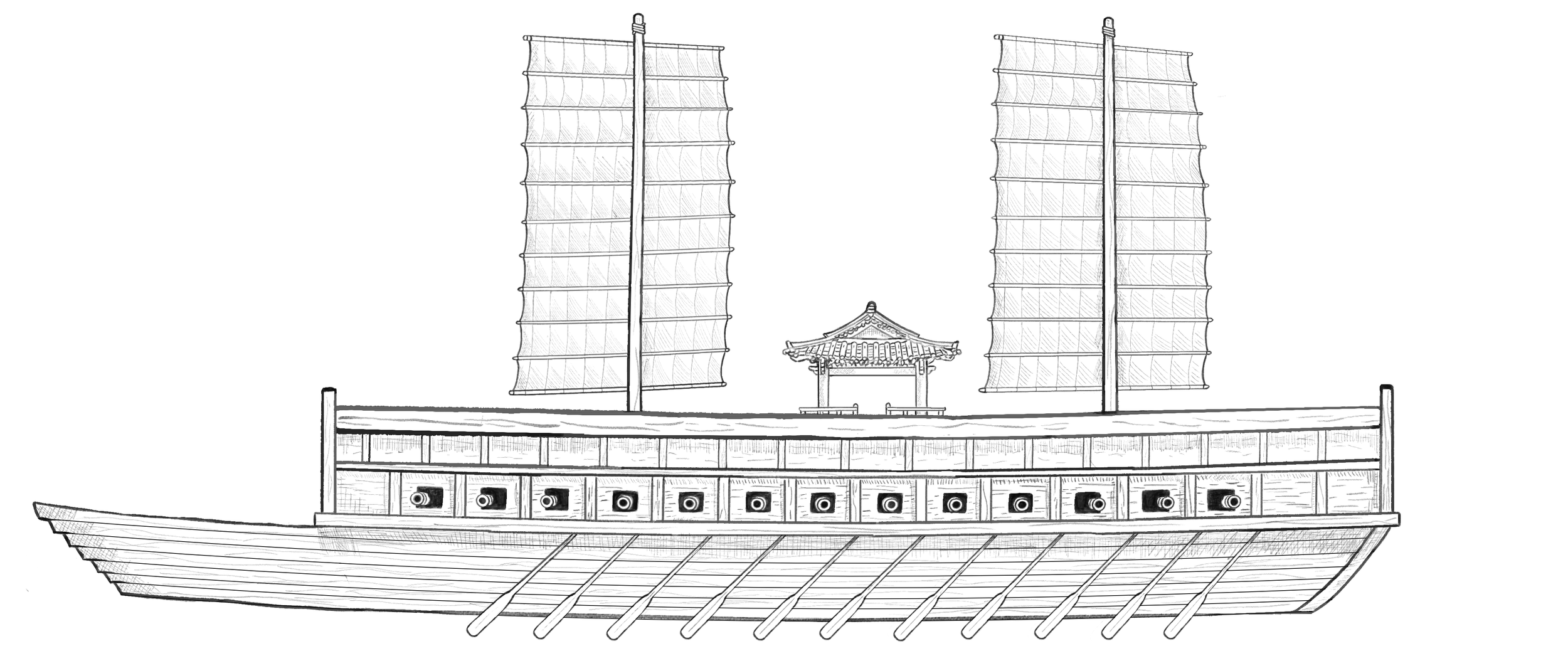
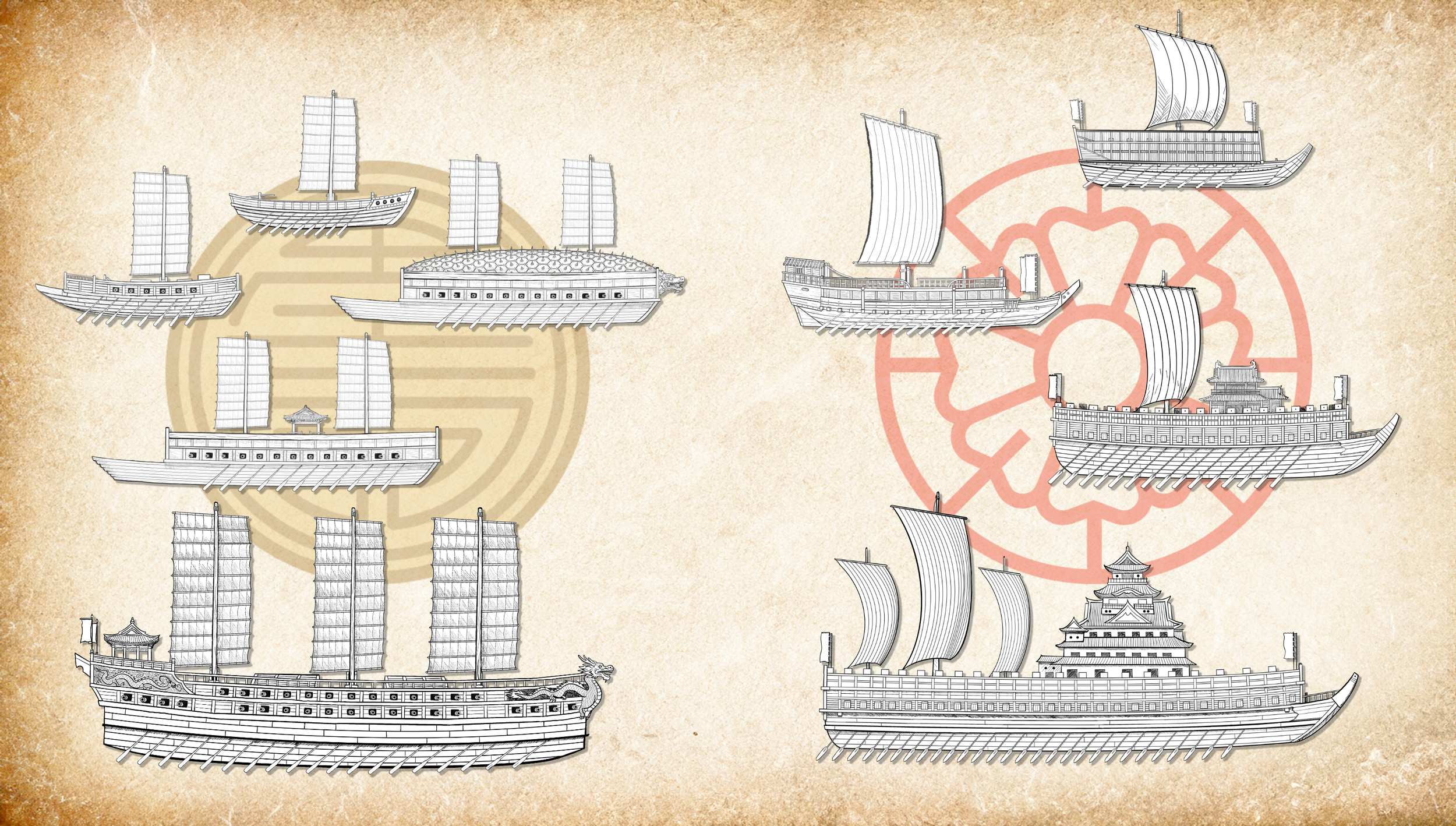
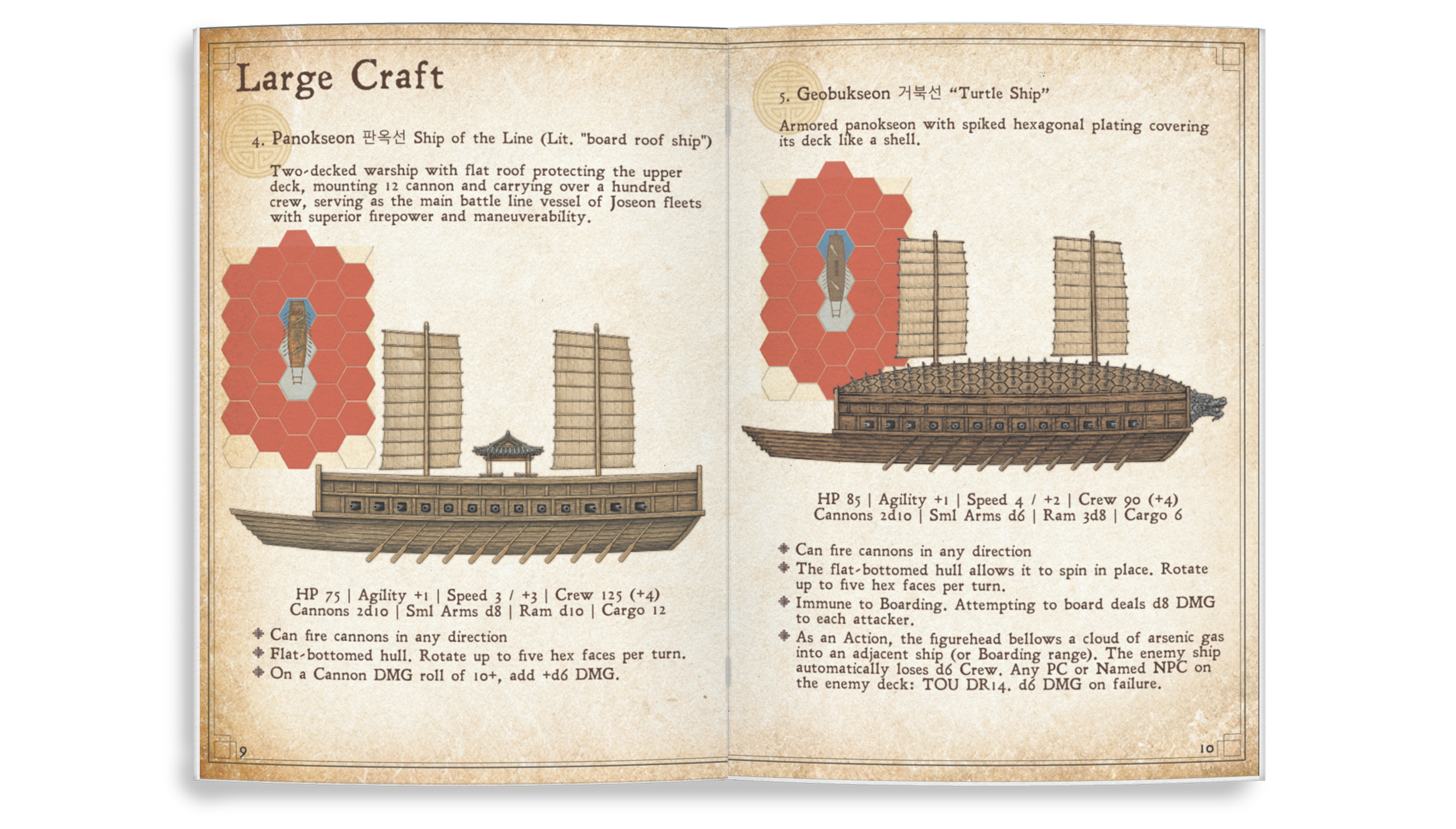
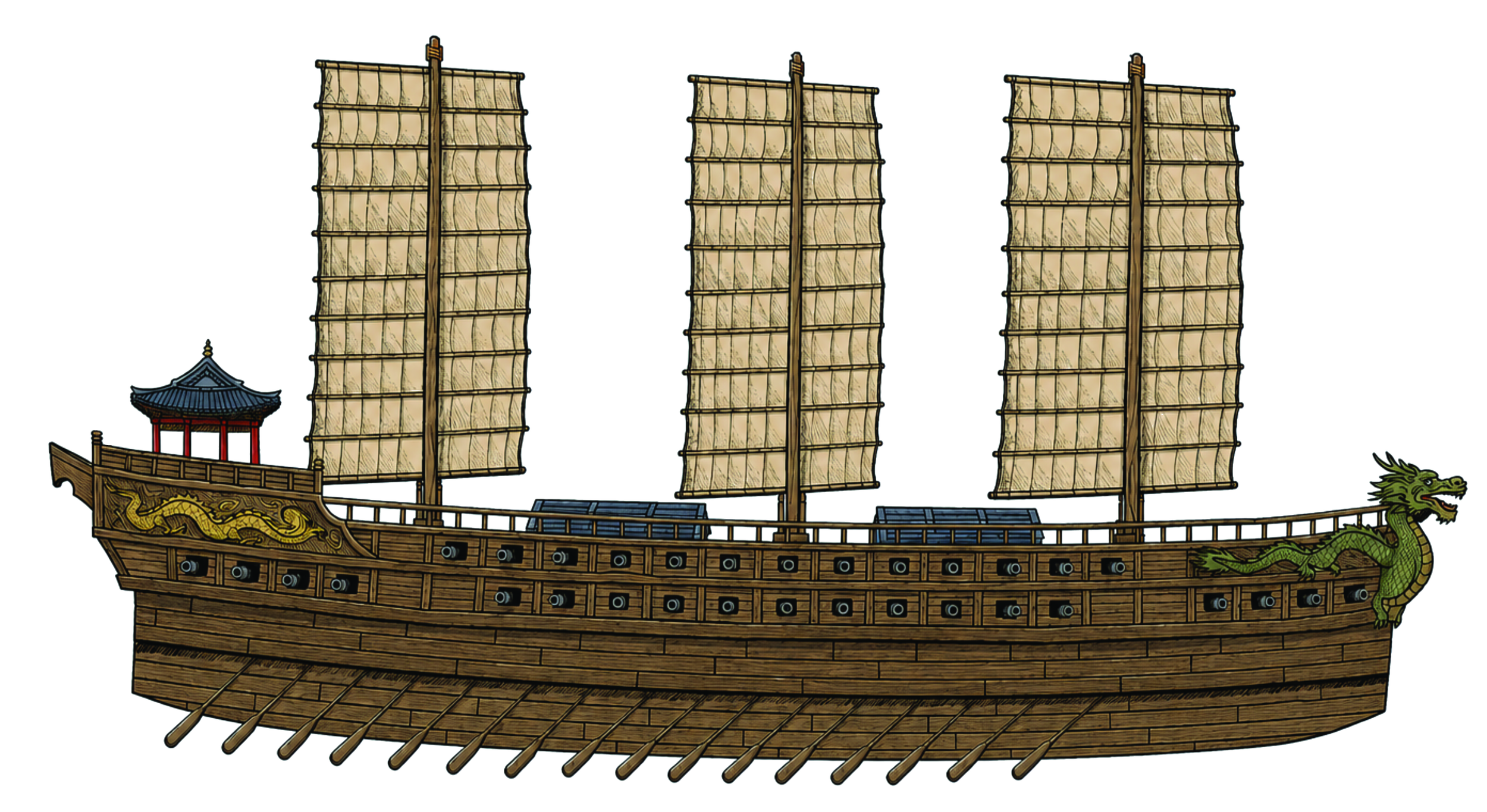
Historically Inspired Ships with Distinct Roles: Vessels range from tiny civilian boats and fast patrol craft to panokseon, Japanese warships, massive flagships and the armored geobukseon (turtle ship), each defined by Hull, DR, Crew Bonus, Sail, Oar, weapons, ramming and cargo capacity.
Ships Actually Feel Different: Individual vessels possess special characteristics beyond their basic statistics. The Turtle Ship, for example, fires cannon in every direction, cannot normally be boarded, and can unleash arsenic smoke against adjacent ships.
The Wide Open Sea
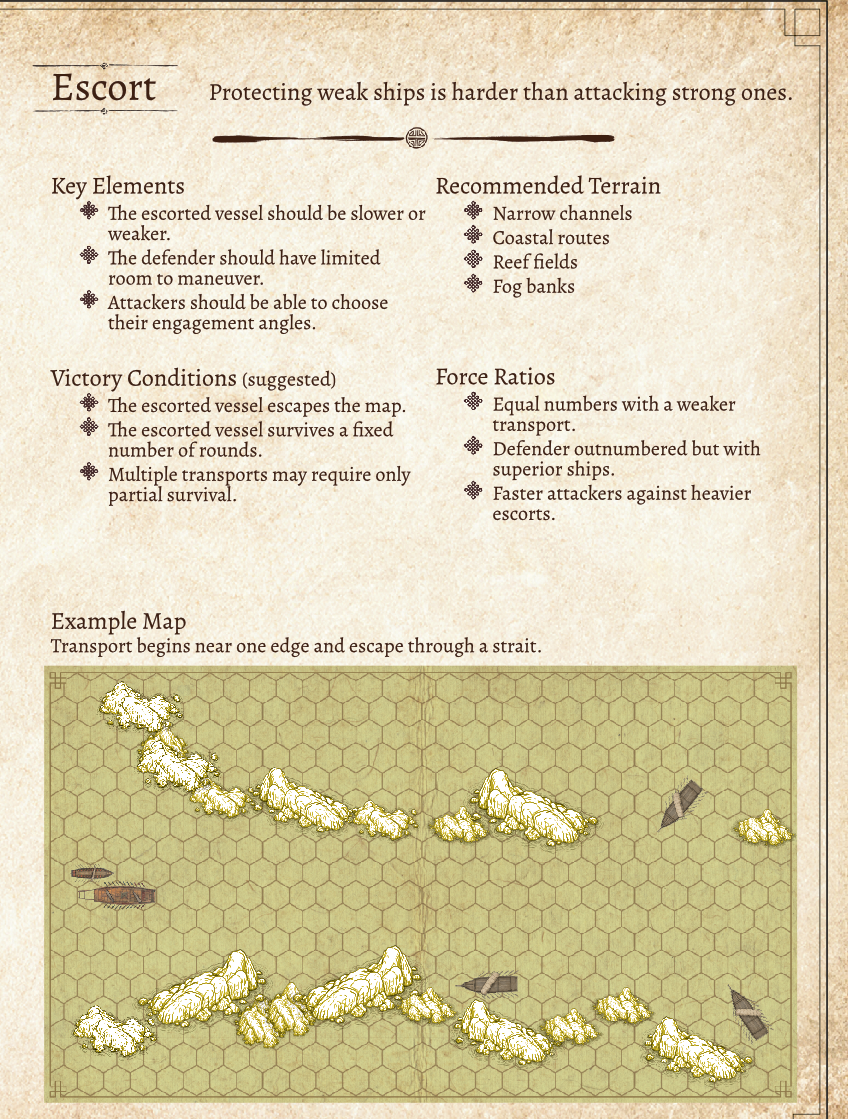
The Sea Is Part of the Battlefield: Optional tactical rules add rocks, reefs, shoals, fog, currents, whirlpools, rough waters and storms, turning navigation and positioning into threats as serious as enemy cannon.
Objectives Beyond Sinking Ships: Battles can revolve around recovering people or treasure, towing objectives, escaping pursuit, making a landing, rescuing survivors, holding a strategic position or simply surviving against overwhelming odds. 10 naval encounter archetypes provided.
Build and Upgrade Your Own Vessel: Ships can be customized with upgrades to armor, cannon, sails, oars, boarding equipment, command capabilities and utility systems, or quickly refitted into specialized gunships, boarding ships, couriers, assault ships and merchantmen.
Designed for Naval Adventures, Not Just Naval Battles: Ship generators, cargo, crews, strange passengers, hazards, plot twists and multiple scenario frameworks allow the naval rules to support entire adventures at sea rather than existing as an isolated combat minigame.

Watch the full tutorial on how to play the naval rules

A set of naval combat rules set in 16th century East Asia. Written and illustrated by RPG reviewer Dave Thaumavore, this zine projects the Imjin War between Korea and Japan (1592-1598) in fast, engaging ship-to-ship combat scenarios.
Get the naval rules in digital format separately before the full RPG is released!